ADHD may have two structurally distinct brain subtypes, and treating them as one condition may explain why so many treatments fail

Scientists say ADHD has two structurally distinct brain subtypes and treating them as one condition may explain why so many treatments fail
  • Tension: Decades of ADHD brain imaging studies have produced maddeningly inconsistent results, and researchers have been blaming methodology — but a new study suggests the real problem was assuming ADHD is one condition.
  • Noise: The cultural debate around ADHD overdiagnosis vs. underdiagnosis, screen time, and medication has obscured the deeper biological question: that brains labeled with the same diagnosis may have fundamentally opposite structural profiles.
  • Direct Message: ADHD’s contradictory research results weren’t noise — they were two distinct brain subtypes with opposing structural signatures canceling each other out, and the discovery opens the door to precision psychiatry for a condition that affects millions of children.

To learn more about our editorial approach, explore The Direct Message methodology.

For decades, ADHD research has been haunted by a strange contradiction. Brain imaging studies kept producing conflicting results — some finding too much gray matter in certain regions, others finding too little, and still others finding no meaningful difference at all. Scientists blamed small sample sizes, inconsistent methodologies, the usual suspects. But recent research suggests the problem was never the research. The problem was the assumption that ADHD is one thing.

It isn’t.

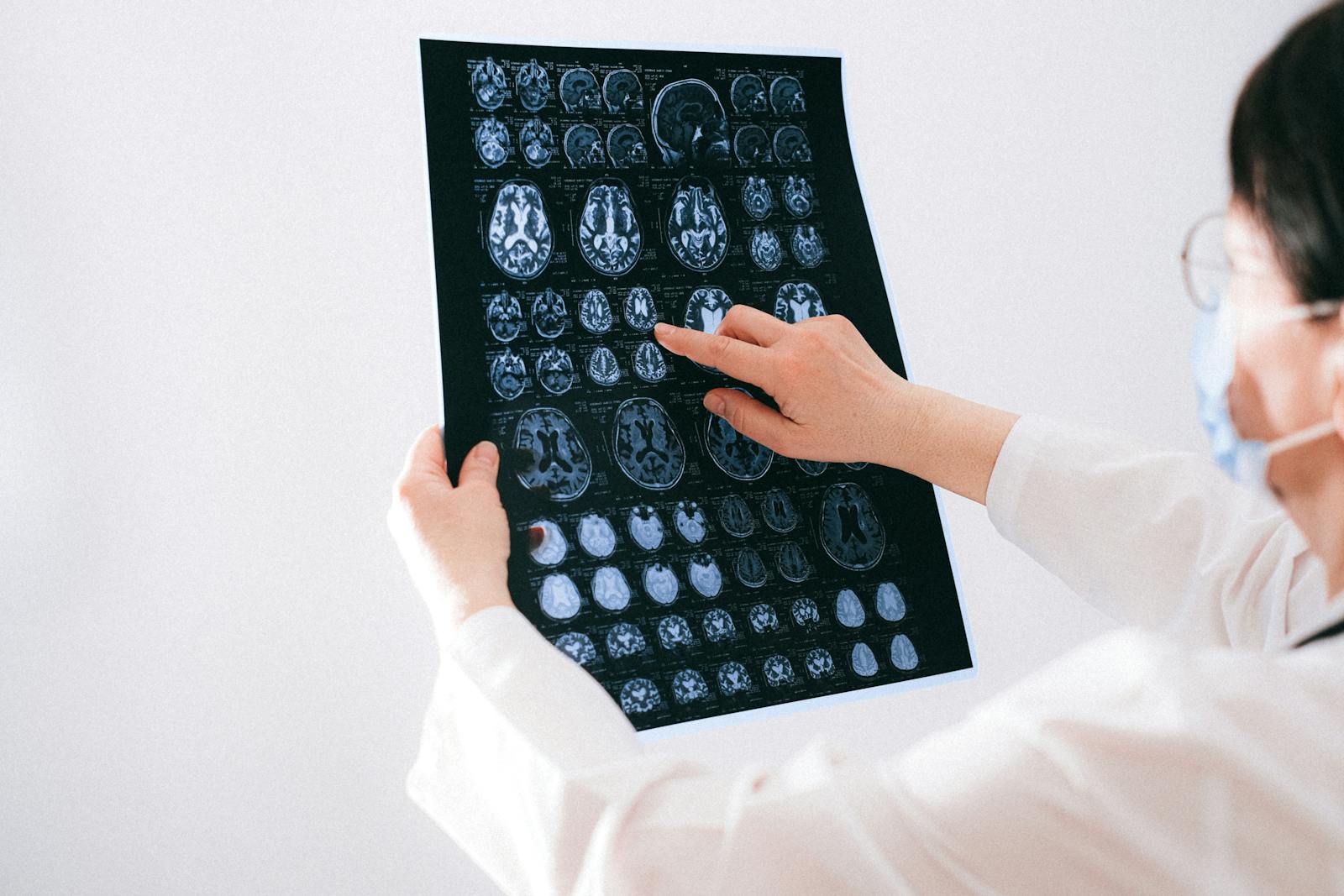
Researchers have used machine learning to analyze structural MRI data from children and adolescents diagnosed with ADHD alongside neurotypical controls. What they found was striking: ADHD may comprise at least two distinct structural brain subtypes — each with unique physical characteristics and behavioral profiles — that had been invisible to previous research precisely because they were being lumped together.

ADHD brain scan MRI
Photo by cottonbro studio on Pexels

The implications land hard. As the research team put it,

Feature image by Anna Shvets on Pexels

Picture of Direct Message News

Direct Message News

Direct Message News is the byline under which DMNews publishes its editorial output. Our team produces content across psychology, politics, culture, digital, analysis, and news, applying the Direct Message methodology of moving beyond surface takes to deliver real clarity. Articles reflect our team's collective editorial process, sourcing, drafting, fact-checking, editing, and review, rather than a single writer's work. DMNews takes editorial responsibility for content under this byline. For more on how we work, see our editorial standards.

MOST RECENT ARTICLES

Adults who say their spouse is their only real friend aren’t always describing a problem — sometimes they’re describing a life that slowly reorganised itself around one person

WPP left its beach at Cannes Lions this year after holding it for years and an independent AI agency took the space, which is a minor real estate story that happens to describe the entire holding company model in a single transaction

Nobody prepares you for how much you’ll want to call the person who’s gone when something small and good happens — the ordinary moments are the ones that make absence sharpest

Studies suggest only 51% of Americans read a book last month — and audiobooks may be filling a gap, but not quite closing it

People who still carry cash aren’t always distrustful of technology — sometimes a wallet with physical bills is just a small, satisfying way to feel like spending is real

People who use AI for emotional support aren’t always lacking real connection — for some, it may just be the one place they can be entirely unedited without worrying about the weight they’re putting on someone else